
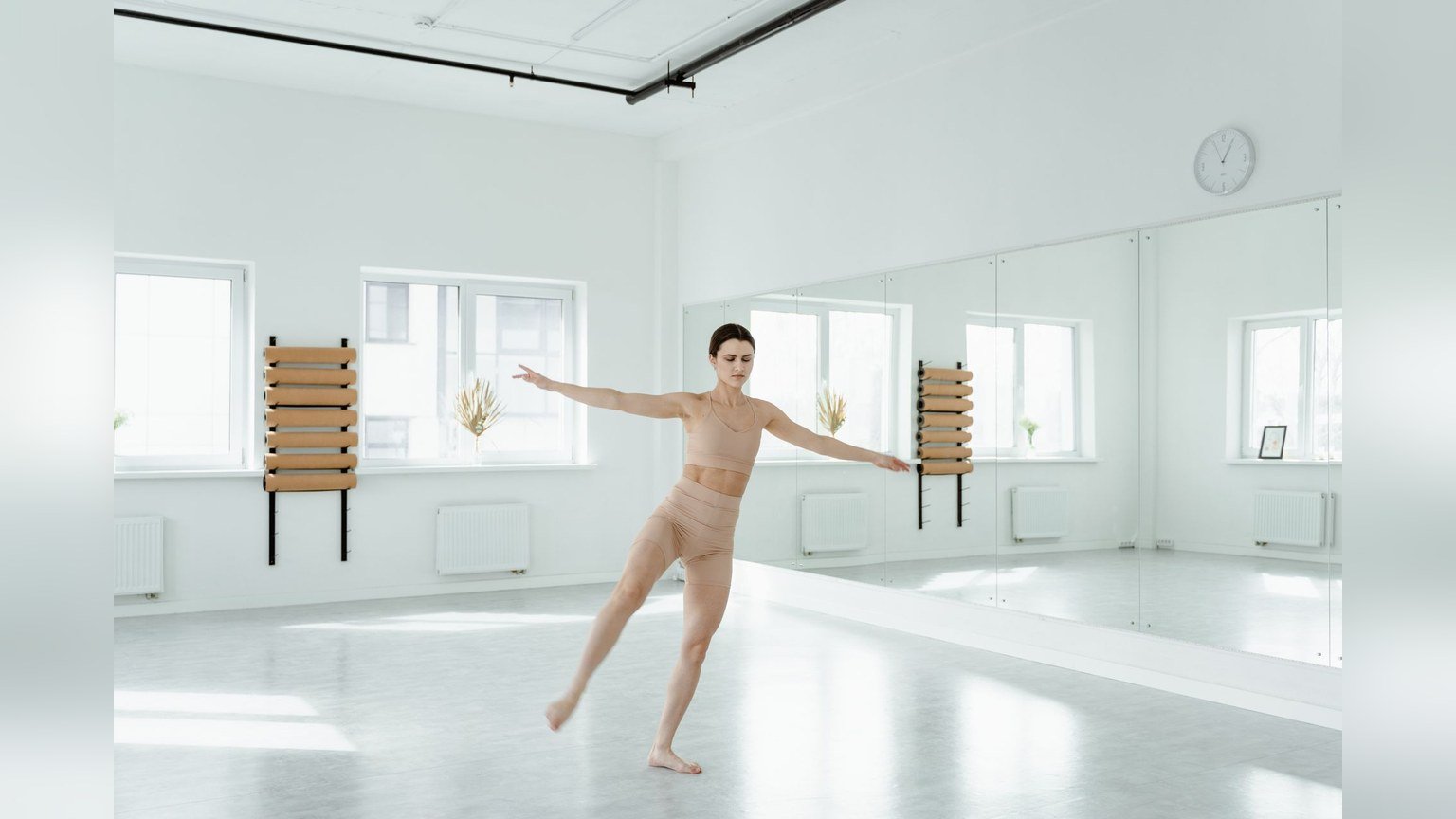

Stand up, let your knees go soft, and bounce gently for thirty seconds, like you are shaking water off your hands but with your whole body. Congratulations: you have just done the entire core of a somatic shaking practice. Everything else, and there is a fair amount else, is about doing it safely, noticing what happens, and being honest about what it is.
Shaking is one of the oldest self-regulation tools in the somatic world, and one of the most casually described. This guide takes the opposite approach: careful setup, modest claims, and a clear-eyed look at what the evidence does and does not say. If you are new to shaking, start here.
Why shaking at all?
First, a normalising fact. The NHS lists shaking and trembling among the ordinary physical symptoms of anxiety: when the body mobilises stress hormones, trembling is one of the ways that activation shows up. Somatic practitioners noticed long ago that deliberately shaking, in a safe and bounded way, often seems to help people come down from exactly that kind of activation. The practice flips the direction: instead of being shaken by your state, you shake on purpose, with your attention riding along.
Now the honest part, because this matters. A 2015 evidence review by CADTH, the Canadian health technology assessment agency, searched for clinical trials on trauma release exercises, the best-known formal shaking method, for PTSD, anxiety and depression. It found none: no trials meeting its criteria, and no evidence-based guidelines. That does not prove shaking does nothing; absence of trials is not proof of absence. It does mean nobody should tell you shaking is a proven treatment for trauma or anxiety, and we will not. What it is: a simple movement practice that many people, including many of our students, find settling. Try it the way you would try a new stretch: curiously, gently, and in charge of the dose.
Setup: two minutes before you shake
Good shaking is mostly good setup. Before your first practice:
Choose the space. A private spot with a floor you trust, away from furniture edges and curious pets. Barefoot or flat shoes. Turn the phone face down; shaking while being watched by a screen is a strange experience.
Check in with your body. Skip shaking, or ask your GP first, if you are pregnant, have a balance disorder, a recent injury, joint problems, epilepsy, or any condition where vigorous movement is unwise. Mild and brief is always the right starting dose.
Have a landing plan. Know how you will finish: feet on the floor, a few slow breaths, a moment of stillness. The landing is part of the practice, not an afterthought. Our guide to grounding through the feet is the perfect companion.
The practice: your first ten minutes
Find your stance. Feet hip-width apart, weight even, knees unlocked. Let your arms hang. Take one ordinary breath and notice how you feel before anything happens. This is your baseline.
Start from the knees. Begin a small, easy bounce by bending and straightening the knees. Let it ripple upwards: hips loosen, shoulders bounce, hands flop. You are not performing shake; you are letting the bounce organise itself. Imagine shaking sleep out of your body.
Keep it short. Thirty to sixty seconds, then stop. Yes, really. Stand still and notice: warmth, tingling, breath, mood, nothing at all. Whatever arrived is information. Short bouts with pauses teach you far more than one heroic five-minute rattle.
Repeat a few rounds. Three or four rounds of shake-pause-notice is a full first session. Some people feel looser and warmer; some feel silly; some feel an unexpected wave of emotion; some feel very little. All of these are normal first reports.
Land deliberately. Finish standing or seated, feet grounded, one or two slow breaths. The NHS calming breath, breathing gently in for a count of up to five and out for up to five, without forcing, works well here. Let the body file the experience before you move on.
What to expect, honestly
Warmth and tingling are common, especially in the hands and legs; that is simply circulation and attention arriving together. Laughter is common too, particularly the slightly embarrassed kind. Tiredness afterwards sometimes means you did more than your system wanted; shorten the bouts next time.
Occasionally shaking brings emotion to the surface. If that happens, you are allowed to stop, always. Sit down, feel your feet, look around the room, and let it settle. If big feelings keep arriving with shaking, that is useful information, and working with a practitioner is wiser than pushing through alone. Our article on completing the stress cycle explores the related idea that movement can help activation finish its arc, including where that idea reaches its limits.
Making it a practice
Once or twice a week is plenty at first. The skill you are building is not endurance but sensitivity: noticing what half a minute of shaking does to your particular nervous system on this particular day. Some days it will be exactly right; some days a walk or a breath practice fits better. If breath interests you as an alternative dial, gentle vs intensive breathwork will help you choose the right dose there too.
And if you want a fuller picture of how shaking is used within somatic work, our longer guide to somatic shaking picks up where this one ends.
Safety in one breath
Stop if you feel dizzy, sick, in pain, or emotionally overwhelmed. Stay clear of furniture edges. Keep early sessions short. Ask a GP first if you have a health condition that makes vigorous movement risky. And remember: this is a movement practice, not a medical treatment, and persistent anxiety or trauma symptoms deserve professional care.
FAQ
Is somatic shaking proven to release trauma? No. A 2015 CADTH evidence review found no clinical trials supporting trauma release exercises for PTSD, anxiety or depression. Many people find shaking settling as a movement practice, but treat it as exploration, not treatment, and keep professional support for trauma in place.
How long should a beginner shake? Thirty to sixty seconds per round, three or four rounds, with pauses to notice the effects. Short bouts teach you more than long ones and keep the practice well inside comfortable limits. You can build duration gradually over weeks if it suits you.
Why do I feel tingling or warmth afterwards? Most likely a combination of increased circulation and focused attention on areas you usually ignore. It is common and harmless. Dizziness, pain or feeling unwell are different: those are stop signals, and you should honour them.
Can I shake every day? You can, gently, though a few times a week is a sensible start. Watch for the difference between a practice that leaves you settled and one that leaves you wrung out; the second means shorter bouts or a rest day. Your body’s report beats any schedule.
Shaking is the friendliest kind of somatic practice: cheap, quick, and honest about its limits. If you would like to explore practices like this with guidance, or learn to hold them for others, you are welcome to read about our somatic teacher training.
