
Coming to Arambol
Latest 2026-2027
A little preparation makes arriving in Goa easier. This guide covers the journey to Arambol, the seasons, everyday money matters and gentle ways to enjoy the village around your training.
Parimukti’s residential work in Arambol is now Somatic Therapy Training, focused on nervous system regulation, emotional awareness, embodiment and facilitation skills. The former 200-hour Yoga Teacher Training is no longer offered.
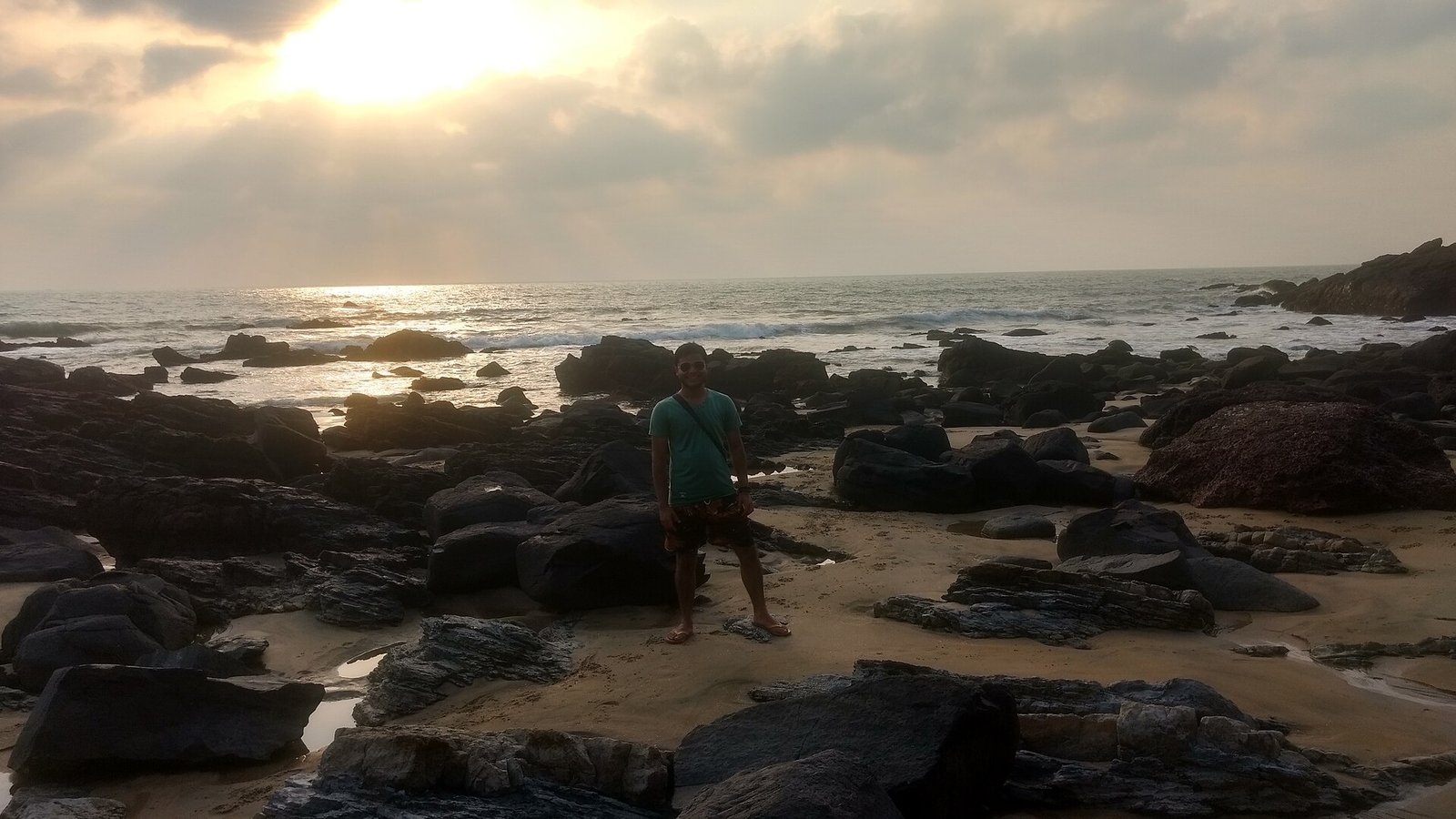

2026-2027 planning guide. Practical information last checked on 7 October 2026; 2027 schedules and prices are not yet confirmed. Prices below are planning estimates, not quotes. Confirm fares, opening hours and seasonal availability before travelling.
How to reach Arambol
Arambol is in North Goa. Goa has two airports, so check the airport code before booking a flight or arranging a pickup.
Manohar International Airport, Mopa (GOX)
Mopa is the closer airport. A local taxi operator lists the Arambol route at about 27 km and 40 minutes. Allow extra time for traffic, your exact accommodation and airport pickup formalities.
Published sedan fares from Mopa to Arambol start around ₹1,200; another operator lists ₹1,300 for the reverse journey. A sensible planning range is ₹1,200-1,800 for a private taxi, with larger vehicles costing more. Pavan Cab lists an additional ₹200 airport toll and possible night charges from 10pm to 6am, so its ₹1,200 sedan base fare is not an all-in quote. Ask for a written quote that includes airport parking, waiting, luggage and any late-night surcharge.
Goa International Airport, Dabolim (GOI)
Dabolim is farther south. A local operator lists the Arambol route at about 66 km. Compare the full journey cost as well as the flight price.
For budgeting, allow roughly ₹1,800-2,500 for a private taxi, and more for a larger vehicle. One current published rate for Arambol to Dabolim is ₹2,100 for a sedan and ₹2,800 for an SUV. Direction and pickup conditions can change the quote.
Arriving by train or bus
Thivim is a useful rail arrival point for North Goa, around 29 km from Arambol on the listed taxi route. Budget approximately ₹1,000-1,500 for a private taxi. Madgaon is much farther south; the local travel guide gives a taxi range of ₹2,000-2,800. Check which station your train actually serves before arranging pickup.
Local buses can be cheaper, but transfers and luggage make them less convenient after a long journey. Check the day’s routes and final bus times locally rather than relying on an old timetable. For a late arrival, a pre-agreed pickup is the simpler option.
Before your flight: save your accommodation pin, its contact number and the driver’s number offline. Share the flight number, airport code and exact drop-off address with the pickup provider. Check the Parimukti venue and confirm your arrival arrangements with the team.
Fare references: Pavan Cab’s Mopa rates, CabGoa’s Arambol routes and Goa Diaries’ Arambol guide. Some operator tables describe departures from Arambol, not airport pickups; always confirm your direction.
Weather through the year
Goa is tropical. The main distinction is between the drier winter season and the wet monsoon, rather than a cold winter and a warm summer.
- November to March: the main visitor season. Generally drier, with warm days and more comfortable evenings. This is also when more seasonal cafés, markets and events are active.
- April and May: hotter and increasingly humid. April’s average daytime maximum is around 33°C in the climate data. Keep outdoor plans gentle and leave space for rest.
- June to September: the wettest period. July is typically the rainiest month. Expect heavy showers, humidity and changes to beach access, outdoor plans and seasonal opening hours.
- October: a transition month. Rain can linger while businesses prepare for the visitor season. Check individual places rather than assuming everything is open.
Use seasonal patterns for planning, then check the forecast close to departure. Weather averages do not predict a particular training week. Bring sun protection in every season; in the monsoon, pack quick-drying clothes and waterproof protection for documents and electronics.
Climate reference: Arambol monthly weather and rainfall.
ATMs, cash and money exchange
Carry some Indian rupees for the first day’s transport, small purchases and meals. Do not plan your arrival around a single ATM: machines can be unavailable, run out of cash or reject a particular overseas card.
There are banking and ATM listings around Arambol and the neighbouring villages, but a reliable current count of working machines is not available. One bank-confirmed option nearby is the HDFC Bank ATM at Keri. Check its location against your accommodation and confirm the status locally before making a special trip.
- Bring a backup card and check your bank’s overseas withdrawal limits and fees before leaving.
- Keep small notes for everyday spending and store spare cash separately.
- Many businesses offer digital payments, but do not assume your overseas phone or account will work with Indian UPI. Keep a card and cash alternative.
- Use a bank or an authorised money changer. Compare the final rupee amount after fees, ask which identification is required and keep the receipt.
Ask your accommodation about currently operating exchange counters in Arambol or nearby Mandrem. No particular counter or exchange rate is guaranteed here. If you need cash immediately after landing, check the airport’s available services before departure.
Vegan and vegetarian food
Arambol has plant-based options, but seasonal businesses change. Rather than give a count that quickly becomes outdated, these are two useful places to check:
- Awani Plant Based: listed by HappyCow as fully vegan, with dishes such as salads, soups, bowls, sushi and falafel. Check the current hours and location before visiting.
- Shantaram Raw: listed as a raw vegan restaurant. Its listing describes seasonal opening, roughly October/November to March/April; confirm that it is operating during your stay.
Vegetarian does not always mean vegan. When ordering elsewhere, ask specifically about milk, curd, paneer, ghee, butter, honey and eggs. Tell staff clearly about any allergy; a vegan menu does not establish an allergy-safe kitchen.
For general meal budgeting, the local guide gives roughly ₹150-400 for a simple local meal and ₹300-800 at beach shacks. Garden cafés and more elaborate menus can cost more. These are broad travel-guide estimates, not the current prices of the named vegan restaurants. Check what your training package includes before budgeting for every meal separately.
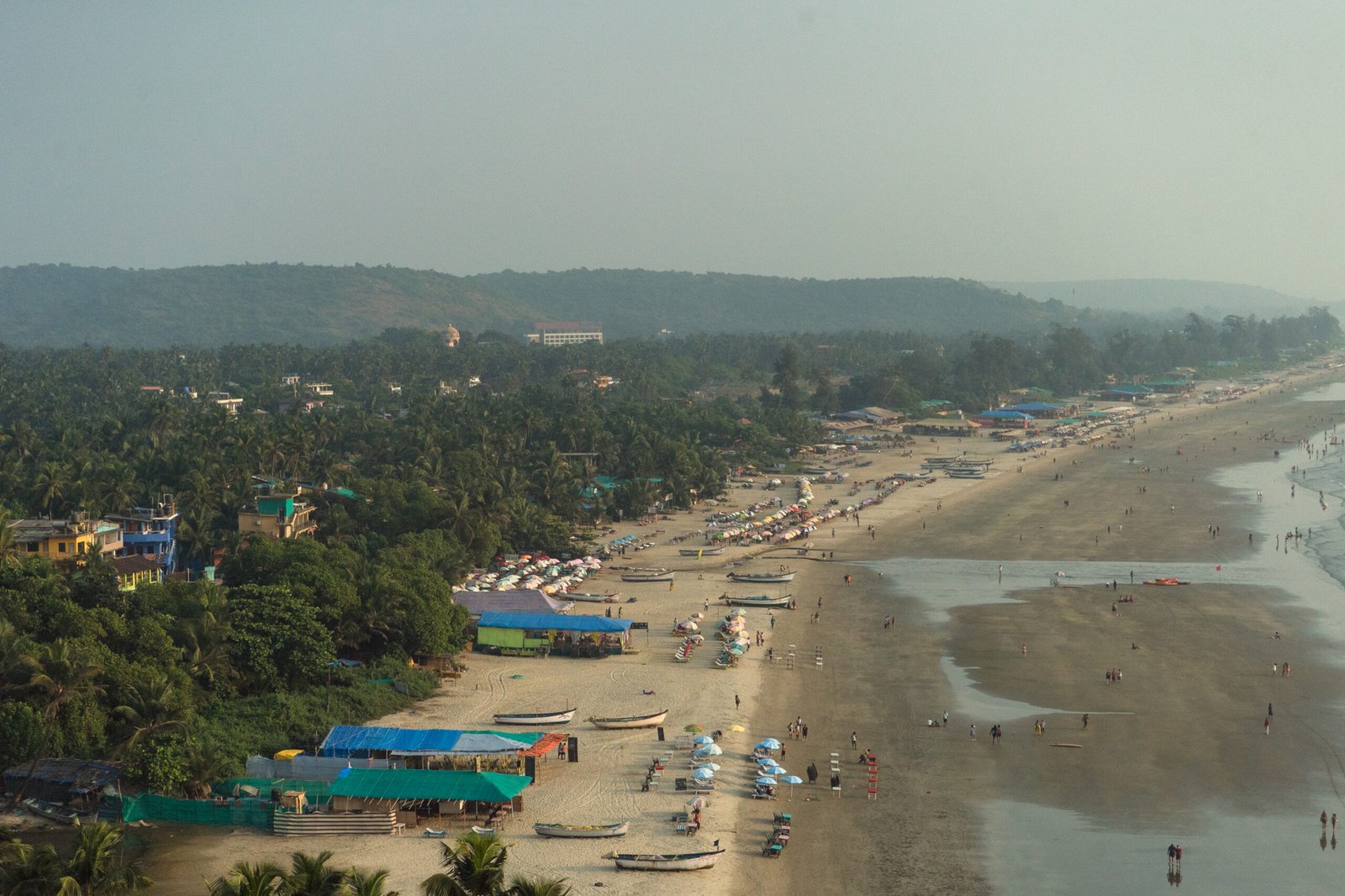

Restaurant listings: Awani Plant Based and Shantaram Raw.
Markets and everyday essentials
The village lanes are a place to look for everyday supplies, clothes and small souvenirs. In the main season, Arambol’s beachside evening flea market brings together craft stalls and travellers. Vendors, timing and atmosphere vary; ask locally what is happening that week.
Carry cash in small notes, compare prices and agree the price before buying. For anything you need for class, buy it before a busy training day rather than depending on a market being open at a particular hour.
What to do when you are not in class
A residential training can be absorbing. You do not need to fill every free hour. A quiet walk, a meal with classmates or time alone may fit better than a full excursion.
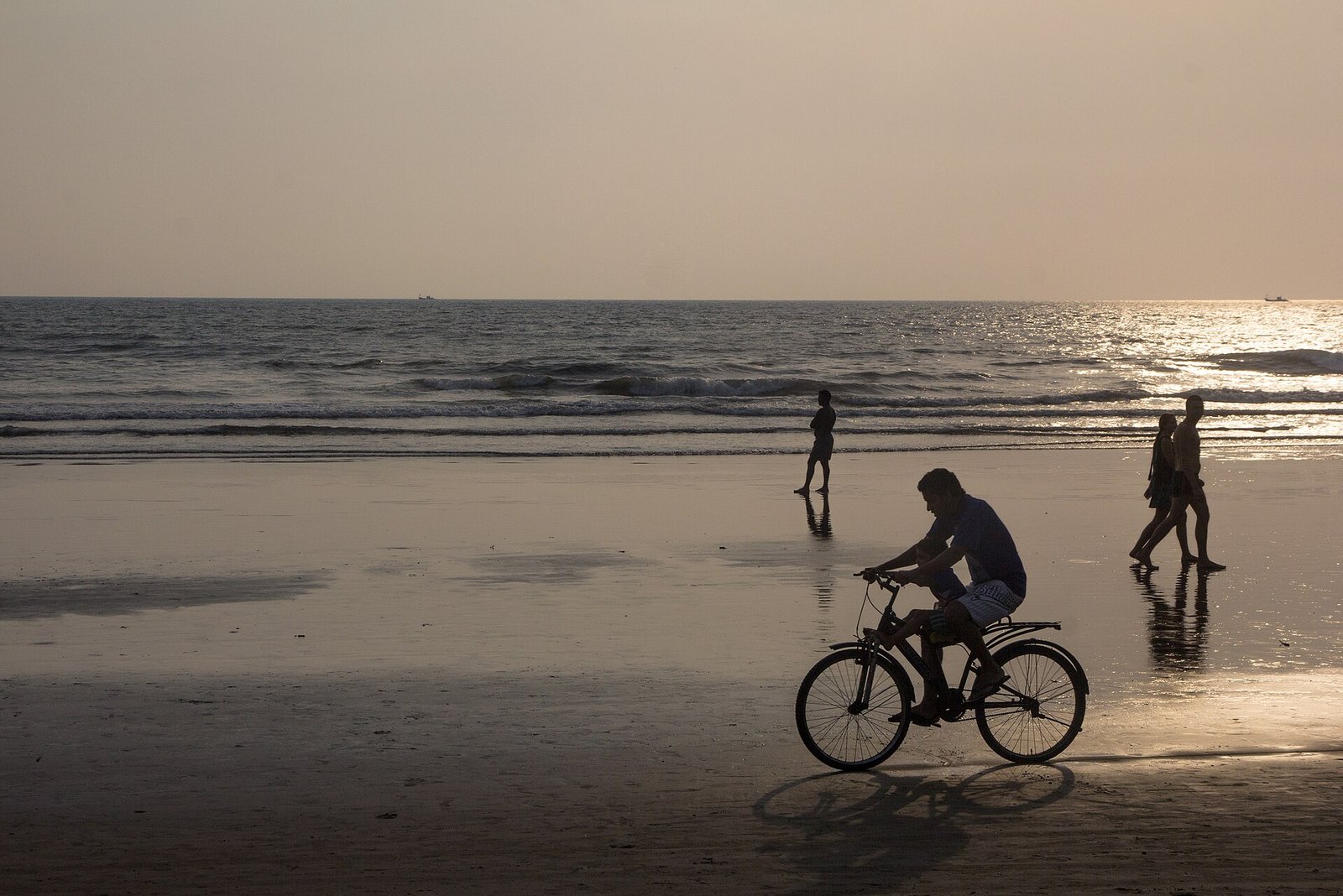

Sunset and music by the beach
Arambol is known for its sunset drum circles, beach gatherings and live music in the visitor season. These are informal and seasonal, not guaranteed daily performances. Check local notices for that week’s events and choose a quieter spot when you want space.
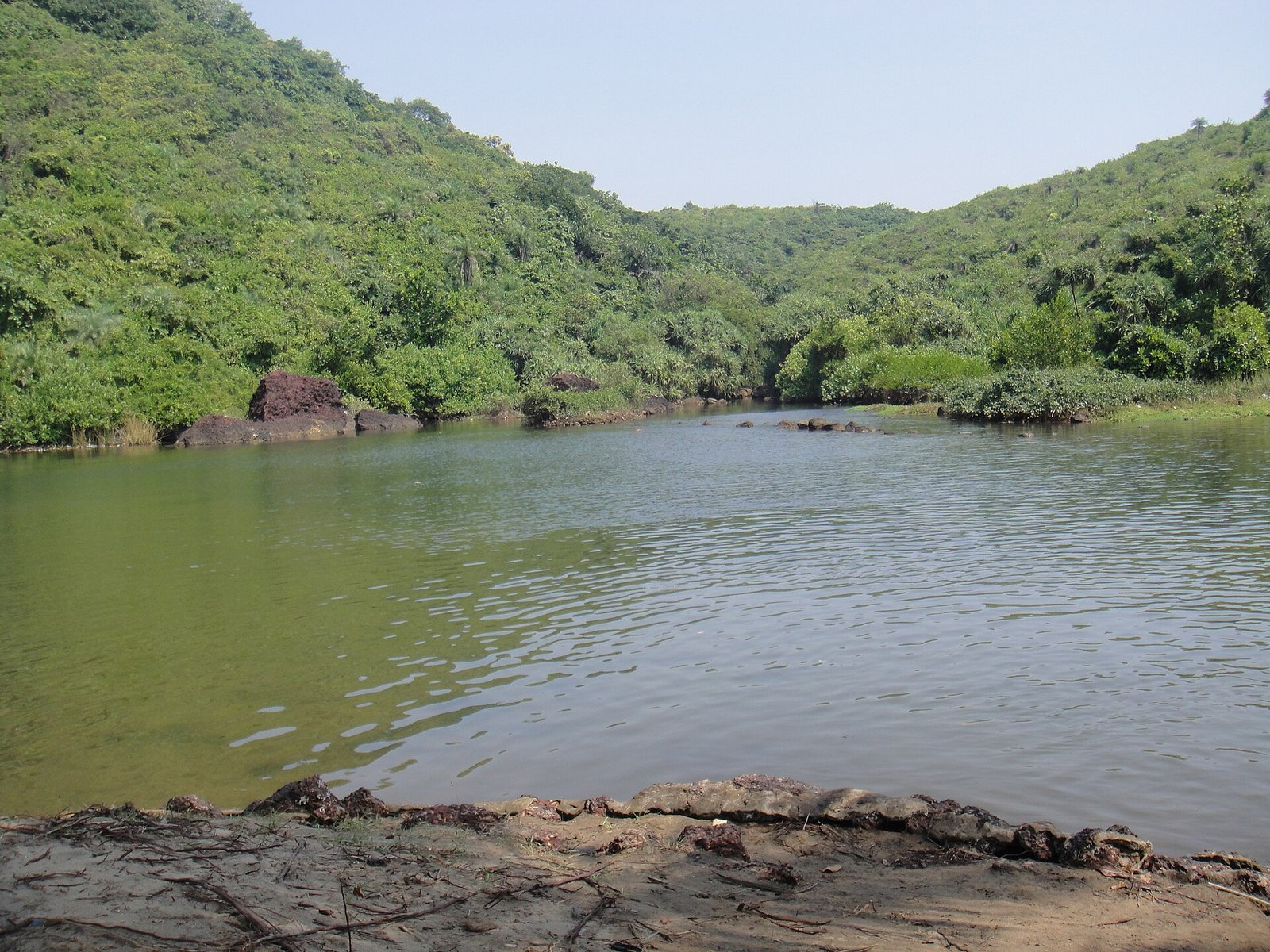
Sweet Water Lake and the northern headland
The freshwater lake, also called the Paliem lake, is a well-known outing beyond the northern end of Arambol beach. Go in daylight, wear shoes with grip and check the path and weather locally. Do not assume a lake or sea is safe for swimming because other people are in the water.

Café time, village walks and a slower day
Read, journal or meet a classmate at a café. Keep more demanding outings for a genuine day off, and check the training schedule before committing to transport or an activity.
Adventure activities, including paragliding, are advertised locally, but availability depends on conditions and the operator. Check safety arrangements, insurance and cancellation terms rather than choosing on price alone.
Beach safety: follow lifeguard instructions and flags, avoid swimming after dark or drinking, and treat rough monsoon seas with care. Keep your phone charged for walks away from the village.
Local activities reference: Goa Diaries’ Arambol guide.
SIM cards, mobile data and Wi-Fi
For a first-time overseas visitor, an authorised mobile-network shop is a better starting point than an unverified reseller. Airtel offers new prepaid connections in Goa, but its domestic online delivery process is not a guarantee that a foreign passport can be processed remotely. Ask your accommodation to help locate an authorised store that handles foreign-national registration. Airport counters can be convenient where available; do not assume a counter at your particular Goa terminal is open.
Bring your original passport, valid visa or OCI document, accommodation address and a passport-size photo. A recent traveller guide lists these for foreign-visitor identity checks. Confirm the exact requirements with the provider before making a trip. Allow time for registration and activation, and keep your pickup details offline until data works.
As a rough budget, recent travel guides describe local prepaid plans around ₹300-450 for about four weeks, but airport tourist packages and setup can cost more. Airtel has published a ₹349, 28-day plan; that is an example, not a guaranteed current offer or foreign-visitor package. Ask for the total, validity, daily data allowance and activation cost in writing. Airtel states that a foreign national’s mobile connection validity is tied to their visa validity.
A travel eSIM is another option if your unlocked phone supports it. Check whether it includes a local phone number and calls or is data-only. Do not assume that mobile data alone will let you receive Indian-number OTPs. Test coverage at your accommodation before relying on a particular network for work.
For Wi-Fi, ask about speed in your room, power backup and whether video calls are permitted in shared areas. HappyCow describes Awani Plant Based as a co-working restaurant, and Coworkingers lists The Noname Coworking Rooftop in Arambol. These are places to enquire, not verified day-pass availability or a promise of internet speed. Check opening, seating, call policy and charges directly. Keep a mobile hotspot backup for essential calls.
Sources: Airtel Goa connections, foreign-national validity, Airtel’s published plan example, foreign-visitor SIM guide and coworking listing.
Getting around: walking, scooters and bikes
Keep accommodation location in mind when deciding how much transport you need. A walkable stay may be simpler than a rental, especially during an intensive training. Ask about the actual walking route to class, not only the map distance.
The local guide estimates basic scooters at ₹300-500 per day; Universal Adventures advertises an Arambol scooter from ₹399. Broader Goa rental listings can be higher. Model, season, rental length, fuel, delivery and deposit all affect the final cost. Ask for a written quote and the return time. A bicycle is an option to enquire about locally, but no reliable current Arambol bicycle price was verified for this guide.
- Licence: bring a valid licence covering the vehicle you intend to ride. Foreign visitors should check the required International Driving Permit before departure and carry it with the home licence. UK official advice specifies a 1949 IDP for UK licence holders. Requirements depend on your issuing country; a rental shop agreeing to hand over a scooter is not proof that you may legally ride it.
- Insurance: check your travel policy covers the engine size, riding activity and licence category. Ask about the vehicle’s insurance, your liability and excess. Do not assume ordinary travel insurance includes scooter accidents.
- Handover: photograph existing damage, check brakes, tyres, lights and mirrors, and confirm fuel and deposit terms. Ask for a receipt and clarify document handling before handing anything over.
- Helmets: use a properly fitting helmet for each rider. The advertised rental example includes one helmet, so a passenger needs a second.
- Roads: traffic keeps left. Avoid making Goa your first scooter lesson, riding after drinking or rushing on wet roads. Taxi travel is a reasonable choice if you are unsure.
Sources: Arambol rental example, Goa rental terms and official road-travel advice.
Pharmacies, clinics and hospital care
Bring your regular medicines in their original packaging, with prescriptions where needed. Do not depend on a local pharmacy stocking the same brand or formulation. Check import restrictions for controlled medicines with official advice before travelling.
Directory listings identify Rural Medical Dispensary Arambol on MDR17 and Mandrem Drug House in Madhalamaj, below Dr. Kudalkar’s dental clinic near Nidhi Hotel. Treat these as local leads: confirm the location, opening hours and services with your accommodation or the provider. A dispensary is not a substitute for an emergency department, and no 24-hour service is promised here.
Goa’s official health directory lists Community Health Centre Pernem and North Goa District Hospital, Mapusa (also known as Asilo) in the public-health network. Mapusa is a regional hospital option, not necessarily the closest appropriate care for every condition. In an emergency, call for medical help rather than spending time comparing clinic listings.
Keep travel-insurance assistance details, allergies, medications and an emergency contact available offline. For serious symptoms or injury, seek medical care promptly. Ask your insurer about payment arrangements, but do not delay urgent care while sorting paperwork.
Save these numbers before you arrive
- 112: India’s unified emergency number for police, fire and medical assistance.
- 108: medical emergency number listed by Goa Police.
- 1364: Goa Tourism’s round-the-clock visitor helpline for tourism enquiries and concerns. It is not a replacement for urgent emergency care.
When calling, state your exact location or map pin, a nearby landmark, what has happened and a callback number. Save your accommodation and Parimukti contact separately.
Sources: Goa’s official health-centre and hospital directory, Arambol dispensary listing, Mandrem pharmacy listing, 112 emergency service, Goa Police tourist safety and Goa Tourism helpline.
Drinking water, laundry and everyday comfort
Drinking water: use sealed bottled water or water from a source your accommodation confirms is properly treated. Do not assume tap water or a lake is drinking water. Ask about filtered refill stations and carry a reusable bottle where safe refills are available. Be cautious with ice when the water source is uncertain, wash hands before eating and choose freshly cooked food.
Mosquitoes: protect yourself in daytime as well as evening. Use an effective repellent according to its label, cover exposed skin when practical and use screened rooms or a suitable mosquito net. TravelHealthPro notes dengue, chikungunya and other insect-borne risks in India. Discuss vaccines and any preventive medication with a travel-health professional for your itinerary; this guide cannot determine your personal medical needs. Seek medical advice if you develop fever or feel unwell, including after returning home.
Heat: keep water available, rest in shade and make walks shorter during the hottest part of the day. Plan for humid weather rather than expecting every space to have air-conditioning.
Laundry: local directory listings include Bubble Wash Laundry in Khalchawada and Super Laundry near St. Anthony Chapel. Verify operation locally. Ask whether the price is per kilo or per item, whether drying and ironing are included, the turnaround time and whether they can handle delicate items. No dependable current laundry price was verified. Keep a receipt, count your items and allow extra drying time in the monsoon.
Sources: TravelHealthPro India health advice, bite prevention, official health and insurance advice, Bubble Wash listing and Super Laundry listing.
Visas: check the purpose of your trip, not only its length
Visa requirements depend on nationality, passport type, immigration status and the activity you will do in India. Start with the Government of India’s official visa portal and your nearest Indian embassy or consulate. Do not use a commercial site that merely looks official.
A training is not automatically tourism. The official e-Tourist guidance describes eligible short courses as non-formal/non-structured and not issuing a qualifying certificate or diploma. Parimukti’s structured certification training should therefore not be assumed to fit that provision. Confirm the correct visa category with the Indian mission, giving the course description, duration and certificate details. Ask Parimukti for supporting course information, not a guarantee of visa approval.
Whether you hold a UK, German, other European, US, Canadian, Australian or another passport, check the live nationality eligibility list and the conditions for your actual visa category. Eligibility for an e-Visa service does not itself establish permission for every activity. Indian citizens, OCI holders and other statuses need their own applicable checks rather than a generic foreign-tourist checklist.
- The official e-Visa portal asks for at least six months’ passport validity at application and at least two blank pages. Check your mission’s guidance too.
- Check permitted entry airports, arrival window, number of entries and maximum stay on your granted permission. The visa’s overall validity is not necessarily the allowed length of each visit.
- Keep the approval, course information, accommodation details and return/onward travel documents accessible. Do not travel on an application receipt instead of an actual approval.
- Do not assume you can extend or convert a visa after arrival. Allow enough time before departure to resolve the correct category.
Official source: Indian e-Visa eligibility and FAQs. Immigration rules change; this is a checking guide, not immigration advice or a visa recommendation.
Seasonal festivals and local etiquette
Arambol’s visitor-season music and beach gatherings sit alongside Goan village life. Statewide festivals can be worth a day trip, but they are not all held in Arambol. Carnival is generally in February or March; Shigmo is a spring festival, commonly in March; São João is associated with 24 June, with celebrations in places such as Siolim. Check the current year’s official dates, parade towns and transport before planning around one. Past event calendars do not confirm a future performance.
For temple or church visits, dress respectfully, follow posted entry rules, remove shoes where requested and ask before taking photographs. Keep beachwear for the beach rather than village streets or religious sites. Ask permission before photographing people or joining a private ceremony.
Goa Tourism asks visitors to respect religious traditions, avoid litter and conserve water. Goa Police states that drinking in public places and on beaches is prohibited. Keep noise considerate near homes, arrange safe transport after events and do not treat an informal gathering as permission to ignore local rules.
Sources: Goa Tourism visitor guidance and festivals, official festival-calendar example and Goa Police guidance.
Landing in India: the first few steps
Before departure, save your visa approval, passport copy, first accommodation address, onward journey details, insurance assistance number and airport pickup contact offline. Keep essential medication, documents, a charger and a change of clothes in your cabin bag within airline and security rules.
At your first Indian arrival airport, follow immigration and customs instructions and keep any entry endorsement or arrival record accessible. If you connect onwards to Goa, confirm with your airline whether baggage is checked through, where it must be collected for customs and whether you need to change terminals. Do not assume an international-to-domestic connection works like a domestic transfer.
Goa airport contacts
- Mopa / Manohar International Airport (GOX), general travel assistance: +91 832 249 9999.
- GOX airport lost and found, for belongings left in the terminal: +91 8956 887 278; Ggial.LostandFound@gmrgroup.in.
- Dabolim / Goa International Airport (GOI), terminal manager: +91 99751 00211 or +91 832 254 0796.
- GOI airport lost and found: +91 99751 00210; tmgoa@aai.aero.
These numbers are from the airports’ official contact pages, checked in October 2026. They are airport contacts, not your airline’s reservations or baggage desk. Recheck the linked pages if a number stops working.
Delayed, damaged or missing airline baggage
If a checked bag does not arrive, go to your airline’s or handling agent’s baggage desk before leaving the arrivals area. Ask for a Property Irregularity Report (PIR) and keep a copy and reference number. Air India’s official guidance says to report to its arrival-hall staff and obtain a PIR; use your own airline’s procedure if you flew another carrier.
- Keep your boarding pass and baggage-tag receipt. Give a clear bag description and any identifying photo.
- Check that the report records your local address, reachable phone/email and onward travel. Tell the airline if your accommodation changes.
- Ask how to track the case, who to contact, and whether delivery requires customs clearance or collection. Do not assume every bag will be delivered directly to Arambol.
- For visible damage or missing contents, report it promptly at the desk and take photographs. Keep receipts for necessary replacement essentials and ask the airline/insurer about reimbursement rules and deadlines.
- A PIR starts the baggage tracing record; it is not a guaranteed compensation payment. A claim may require a separate submission. Do not apply one airline’s deadline or allowance to another.
A phone or bag left in an airport seating area belongs with airport lost and found. A checked bag that failed to arrive belongs with the airline baggage process. For an item left on the aircraft, contact the airline first.
Official sources: GOX contacts, GOX lost and found, GOI contacts and Air India baggage guidance.
FRO and e-FRRO: registration and immigration help
Not every visitor has to register. Registration depends on the visa category, permitted stay, nationality and any specific endorsement. Read your actual visa conditions and confirm with the issuing Indian mission or the relevant immigration office if unsure.
The Ministry of External Affairs’ guidance generally says foreign nationals, other than the separately treated Pakistan and Afghanistan categories, do not need registration where the visa permits a stay of 180 days or less. It describes registration within 14 days of arrival where the permitted stay is over 180 days, subject to exemptions and category rules. Do not confuse a visa’s overall validity with the permitted continuous stay, and do not wait 180 days if your visa specifically requires registration on arrival.
Student, research, employment and medical categories can have their own conditions, as can particular nationalities. The official e-Visa FAQs also specify category-dependent registration provisions. A long-validity tourist e-Visa does not automatically mean every short visit requires registration, or that a longer stay is permitted. Follow the conditions of the permission actually granted to you.
Use the official e-FRRO portal for services such as registration, extensions, conversion and exit permits. The portal describes online applications without an office visit unless specifically required by the FRRO/FRO. Creating a portal account is not itself immigration registration or an approved extension. Track messages, document requests and the final decision.
Goa Police’s published office information places the Foreigners Registration Office at the Police Headquarters building, opposite Azad Maidan, Panaji. That local document includes older paper procedures, so use the live e-FRRO service instructions and confirm whether an appointment or visit is required before travelling to Panaji. No unverified current Goa FRO telephone number is supplied here.
Have your passport, visa, arrival details, local address/residence proof and any course or other supporting documents ready. The exact checklist varies by service. Your accommodation’s foreign-guest reporting is not a substitute for any registration you personally owe. Never overstay while assuming an application guarantees approval; ask the authority about the correct next step before a deadline.
Official sources: MEA registration guidance, e-FRRO, e-Visa category FAQs and Goa Police office-location document. Visa-specific instructions take priority over a general travel guide.
Customs, currency declarations and tourist payments
Use customs’ green channel only when entitled to do so. If you have dutiable, restricted or prohibited goods, or are unsure, ask Customs rather than walking through on an assumption. Rules can differ with residence, nationality, age, goods and arrival mode. Check before bringing drones, satellite phones, plants, animal products or substantial valuables.
Under the official 2026 declaration regulations, a Currency Declaration Form is required when foreign currency notes exceed US$5,000 equivalent, or the aggregate foreign exchange in notes, bank notes and travellers’ cheques exceeds US$10,000 equivalent. Keep a declaration when made; it may be needed for exchange or taking an unused balance out on departure. These are declaration thresholds, not an invitation to carry that much cash or a blanket limit on all funds.
Indian-rupee import/export rules are separate and depend on status and destination. Do not assume a domestic resident’s allowance applies to a foreign tourist. For declaration mechanics and goods allowances, use the current Customs instructions at your arrival airport, not an old blog.
Can foreign visitors use UPI?
Ordinary Indian UPI setup is not guaranteed to work with an overseas bank account. NPCI offers UPI One World through participating providers for inbound visitors. It is a prepaid wallet route for eligible users to pay participating merchants by QR, not a promise that every overseas traveller can immediately activate every Indian payment app.
Check the live NPCI partner list and the provider’s nationality, passport/visa, identity-check, loading, refund and fee rules. NPCI’s current page describes app onboarding and loading with an international debit or credit card. Availability can vary by provider and location; no Goa-airport onboarding counter is confirmed here. Keep a card and cash fallback, and do not assume merchant-wallet payments include transfers to friends.
Verify the merchant name and amount before approving any QR payment. Never share your PIN or one-time verification codes, and do not approve a payment request merely because someone says it is needed to receive money.
Official sources: Customs Baggage (Declaration and Processing) Regulations, 2026 and NPCI UPI One World.
Student arrival FAQ
Which airport should I choose for a Parimukti training?
Mopa (GOX) is closer to Arambol than Dabolim (GOI). Compare flight arrival time, connection reliability and the full transfer cost. Check the airport code on the ticket before arranging pickup. Save the venue or accommodation pin, and confirm whether you should travel directly there or to a separate check-in location.
What should I arrange before I leave home?
Confirm the correct visa category, training dates, accommodation, check-in arrangements and what the package includes with Parimukti. Arrange arrival transport, check insurance for your planned activities, bring regular medication and save documents and contacts offline. This guide does not set an arrival buffer or departure time for every course; ask the team about your particular training.
What order should I do things in after landing?
Complete arrival formalities, collect/check baggage and resolve missing bags at the airline desk before leaving. Follow customs instructions, then meet the pre-agreed driver at the specified point. Get safely to your accommodation first. Confirm class/check-in details, obtain drinking water and test connectivity. Set up a local SIM at an authorised provider when you have the documents ready; a travel eSIM or roaming backup can cover the gap.
How much cash should I bring for my first day?
There is no single amount that fits everyone. Add your agreed transfer fare to meals and purchases not included in the training, plus a modest contingency. The transport and meal estimates above help build that budget. Keep small rupee notes and a backup card; do not depend on one ATM or a new UPI setup working immediately.
Do I need a scooter?
Not necessarily. Check whether your accommodation is walkable to class and meals. Taxis can cover arrival and occasional outings. Rent a scooter only if your licence, IDP where required, insurance and riding experience are suitable. A training week is not a good reason to take a road risk you would avoid at home.
Will I be able to eat vegan food?
Arambol has named plant-based options in the food section. Confirm the meals included in your training separately, and tell Parimukti about dietary needs or allergies before arrival. At other restaurants, ask about ghee, dairy and eggs rather than relying on the word vegetarian. Check seasonal opening before walking to a particular café.
Can I work remotely during the training?
Ask about your course’s actual schedule before committing to work calls. Check room Wi-Fi and call privacy, and keep mobile data as a backup. The coworking leads above do not guarantee a desk, quiet room or bandwidth. Avoid promising colleagues availability until you know both the timetable and connection.
What should I expect in my first week?
Get the daily timetable, orientation details, contact person and any required materials directly from Parimukti. Give yourself room to settle into the local weather, food and routine. Keep optional outings flexible until you know the class schedule. Specific class hours, attendance requirements, laundry arrangements and meal inclusions are not assumed in this guide.
What if my flight is late or my bag is missing?
Tell your pickup provider and the Parimukti contact about the delay, using the agreed channel. For missing checked baggage, file the airline report before leaving arrivals and give a reachable local address. Keep medication and essentials in cabin luggage within airline rules so you are not dependent on the suitcase arriving immediately.
Where should I go if I need help?
For urgent danger or serious illness, use 112 or Goa’s medical emergency number 108. For non-urgent local questions, start with your accommodation or Parimukti contact. For visa or registration questions, use official Indian immigration channels. Keep these separate: a travel host cannot grant immigration permission, and an online guide cannot assess medical symptoms.
Before you leave: a simple checklist
- Travel: the correct airport or station, confirmed pickup, accommodation pin and contact details saved offline.
- Money: an arrival cash buffer, a backup card and your bank’s overseas settings checked.
- Clothes: light, comfortable layers for class, a light evening layer, walking shoes, sandals and rain protection for the wet season.
- Health: your regular medication, any relevant prescriptions, sun protection and insect repellent.
- Connection: check your roaming or local SIM options and download useful maps before travelling.
- Training: confirm arrival and departure dates, what is included and anything you need to bring with Parimukti.
Ready to plan your stay? Explore the Somatic Therapy Training, see the venue and check the current dates and prices.
This is a planning guide, not a promise of fares, services or availability. Local businesses and transport prices change. Reconfirm the details that matter to your journey before you travel.