
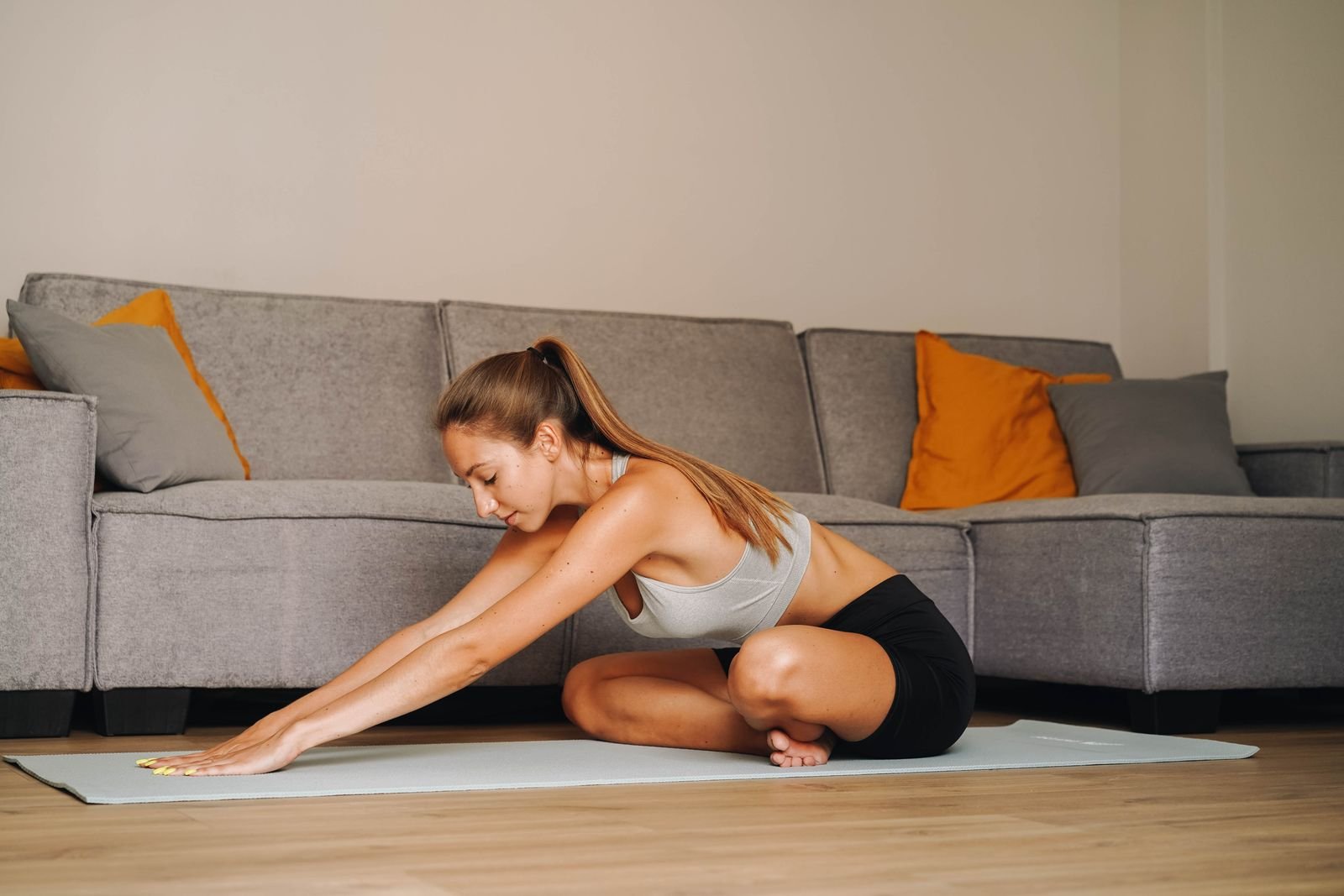

Most of the movement in an adult day is assigned. You walk to the kettle because you want tea. You stretch your neck because it hurts. You exercise because a plan says Tuesday is legs. All sensible, all useful, and all directed from the top down: the mind decides, the body complies.
Spontaneous movement starts from the other end. Instead of deciding what the body should do, you give it a little room and watch what it does on its own. A shoulder rolls. The spine sways. Your weight shifts from one foot to the other for no reason you could defend in a meeting. This is not a performance and it is not a technique you can fail. It is closer to noticing that the body has opinions, and that it has been holding them politely all day.
Why the body moves on its own
From a nervous-system view, movement is not just output. It is also processing. Fidgeting, rocking, stretching and shifting are ways the body regulates arousal and comfort without asking permission. Parents see it in babies, who wiggle themselves calm long before they can talk. Adults do not lose the machinery; they just learn to sit on it.
Practitioner traditions in somatic work treat spontaneous movement as information: impulses that were interrupted, tensions looking for an exit, small adjustments the body would like to complete. That framing is a lens, not settled science, and it is worth holding lightly. What has research behind it is the broader claim that movement practices affect psychological state. A 2019 meta-analysis of dance movement therapy and dance interventions (Koch and colleagues, covering 41 studies) found moderate effects on quality of life, mood and anxiety, while noting the evidence base is still young and study quality varies. In plain terms: moving in unstructured, self-directed ways seems to do people good, and researchers are still working out exactly why.
What spontaneous movement is not
It is not dancing well. It is not stretching correctly. It is not a discharge you are supposed to have, complete with dramatic shaking and a breakthrough, and anyone who sells you that picture is setting you up to perform instead of notice. Some days the body leads you into a big, loose sway. Some days it does almost nothing, and “almost nothing” is a perfectly good answer. The practice is the listening, not the movement volume.
It is also not a replacement for medical care. Pain that is new, sharp, worsening, or comes with other symptoms deserves a doctor, not a movement session.
A short practice: ten minutes of following
You will need floor space the size of a yoga mat and no audience. A door that closes is the main equipment.
Arrive (1 minute). Stand or sit however you already are. Do not arrange yourself. Notice the contact points: feet, seat, the weight of your hands. You are not calming down. You are just arriving to see what is here.
Offer space (2 minutes). Tell yourself, in so many words: for the next few minutes, movement is allowed. Not required, allowed. Stay still and wait the way you would wait for a shy animal. Soften your knees or your jaw, whichever you notice first.
Follow (5 minutes). When an impulse shows up, a lean, a roll, a stretch, a shift of weight, let it happen slowly, at about half your first instinct’s speed. Slow is what keeps it listening rather than doing. If nothing shows up, shift your weight once, deliberately, and see what the body does in response. Then follow that. Let movements finish rather than cutting them off; a stretch that wants to become a sway is allowed to become a sway.
Close (2 minutes). Come back to stillness on purpose. Feel feet or seat again. Notice whether anything is different: breath, warmth, where your weight sits, the mood in the room of you. No scorekeeping. Different, same, both are data.
When it gets awkward
It will, around minute two. The mind will announce that this is silly, that you are doing it wrong, that the neighbours can see through walls. Awkwardness is normal and is not a stop sign; it is just the part of you that prefers assigned movement because assigned movement is safe from judgement. Thank it and keep following. If you freeze completely, return to one deliberate movement and follow the response. The practice restarts cleanly as many times as you need.
If strong emotion or intensity rises, open your eyes, look around the room, press your feet down, and let the movement go. You can find support in grounding for overwhelm before returning to any body-led practice, and working with a trained facilitator is the better route if big material keeps showing up.
Making it ordinary
The easiest way to lose this practice is to make it special: candles, a playlist, a thirty-minute window you will defend twice and then abandon. The easier way is to attach it to something that already happens. Kettle on, body leads until the water boils. Meeting ends, camera off, one minute of following before the next thing. The body does not need ceremony to speak; it needs regular, unimpressive invitations. Small and frequent beats grand and never.
Where this sits among other practices
Spontaneous movement is the unstructured cousin of several things you may already know. Slow movement practice gives the same listening a clear container. Somatic shaking is a more specific, deliberate rhythm, where this stays open. And expansive and contractive movement explores the shapes the body prefers; spontaneous practice simply lets those preferences emerge on their own schedule. None of them is the correct one. They are different doors into the same room.
FAQ
Is spontaneous movement the same as dance movement therapy? No. Dance movement therapy is a professional treatment delivered by a trained therapist. Letting your body move without a plan borrows a similar ingredient, self-directed movement, but it is a self-care practice, not therapy.
What if I feel nothing and do nothing? Then your data for today is “stillness was what happened.” That is a valid session. Try a single deliberate movement next time and follow what responds to it.
Can spontaneous movement release trauma? Somatic practitioners sometimes frame body-led movement as a way the nervous system completes old stress responses. That is a practitioner model, not an established medical claim. Treat any release that happens as ordinary self-regulation, and seek professional support for trauma work.
How often should I practise? Little and often beats long and rare. Ten minutes, two or three times a week, teaches the listening faster than an occasional heroic hour.
