
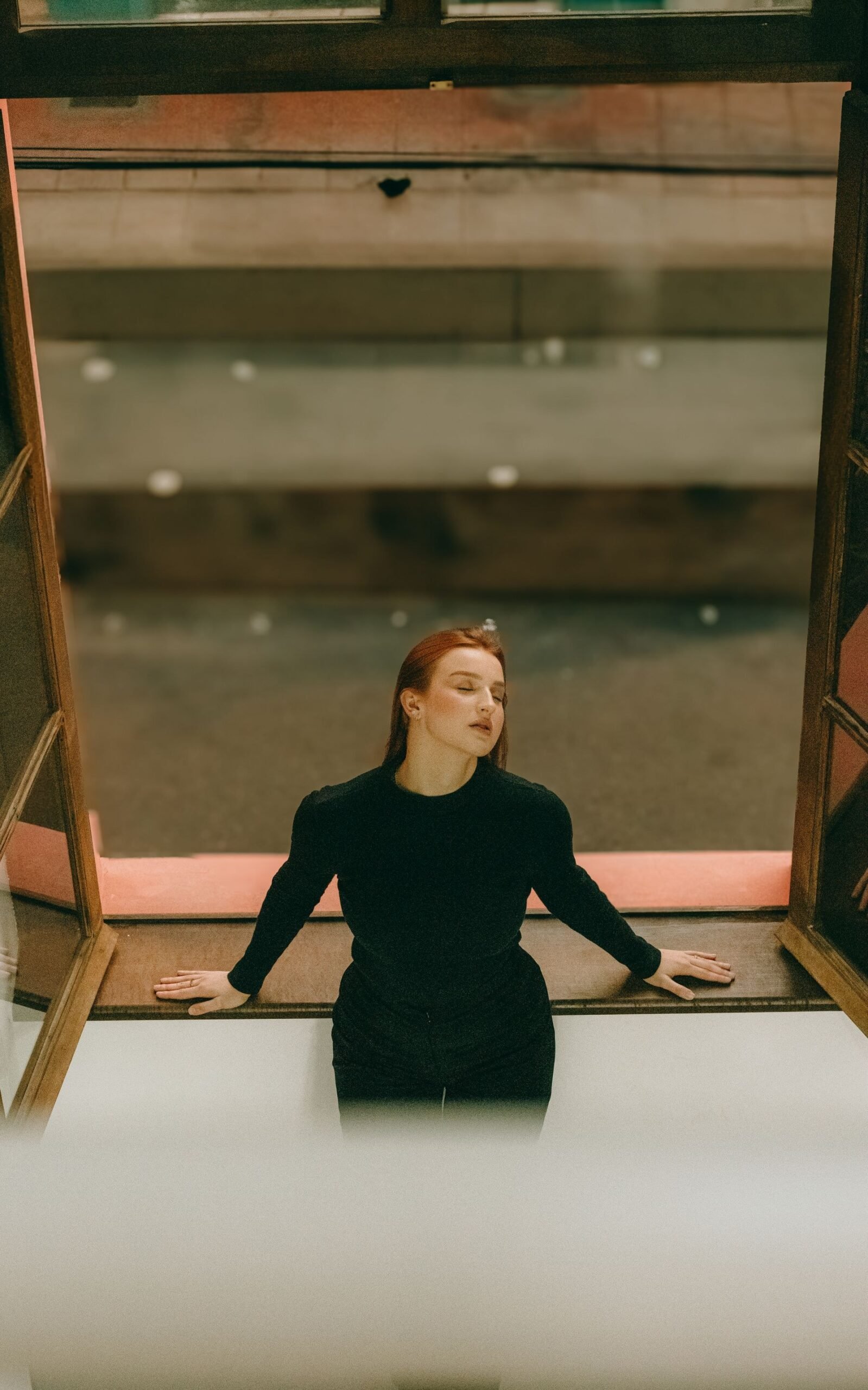

Racing heart, blank mind, sweaty palms: exam nerves are common, and they have a talent for arriving exactly when you most need your thinking. These six tools cover revision week, the morning of the exam, and the desk itself. None of them will put knowledge in your head – that is what revision is for – but they can help you walk in with what you know actually available to you.
1. Study in the state you will perform in
Do at least one practice paper sitting upright at a desk, timed, with your feet on the floor – the conditions your body will be in on the day.
Why: revising sprawled on the bed and then performing upright at a desk are two different physical experiences. Practising in roughly exam posture means the desk feels familiar rather than foreign on the day.
Try it: once or twice a week, set a timer, sit at a table, and do a past paper under real conditions – no phone, no pausing, feet down. Notice how the first five minutes feel. That is the moment the tools below are for.
2. Slow your breathing
When revision panic rises – I know nothing, everyone else knows more – stop and breathe out longer than you breathe in, six rounds. The longer exhale is a simple breathing practice: in comfortably, out a little longer. Stop if you feel dizzy, and keep it gentle.
What to notice: the panic story usually continues while you breathe. You do not have to win the argument with it. Just finish your six rounds, then decide what to do next – which is often the same revision, minus some of the noise.
3. Protect your sleep
Try to protect your sleep in the last two nights before the exam. Late-night cramming feels productive and mostly is not: you are trading tomorrow’s recall for tonight’s reassurance.
Try it: set a revision curfew – say, 9 p.m. – and after it, only light review or none. If lying awake is the problem, a slow body scan in bed is a kinder use of the dark than one more chapter.
4. Morning-of: shake, then ground
Before leaving home: two minutes of shaking – arms, legs, shoulders loose – then one minute of feeling your feet on the floor. Nothing mystical: you are discharging some of the morning’s static and then landing.
Arrive early enough to sit quietly in the building. Let your eyes map the room: the door, the clock, the desk, the invigilator. A familiar room asks less of you than a brand-new one.
5. At the desk: plant, breathe, begin
When the paper lands, do not start writing immediately. Feet flat on the floor. One full, slow breath, all the way out. Then read the whole paper once before answering anything.
Common mistake: sprinting into question one while still half-braced. The sixty seconds you spend landing are the cheapest marks you will ever buy – reading everything first is how you avoid the question-four ambush.
How long: the landing takes about a minute. It feels extravagant. It is not.
6. When the mind blanks mid-answer
It happens to almost everyone: mid-sentence, the facts vanish. Stop writing. Feel the pen in your hand and both feet on the floor. Take one slow breath. Look away from the question for a moment, then come back to it.
What to notice: the blank usually comes with a physical clamp – held breath, gripped pen, raised shoulders. Softening the body first gives the memory a better chance than gripping harder. If it does not return, mark the question, move on, and come back later. Momentum matters more than order.
One more small thing: loosen the grip on the pen between paragraphs. A hand that has been strangling a pen for forty minutes is a hand that writes more slowly in the last twenty, when marks are often cheapest.
Afterwards
Walk or shake it out before you replay the questions in your head. The post-mortem in the corridor – what did you put for question seven? – almost never makes anyone feel better, and it cannot change a single answer. Give yourself an hour before the debrief.
If exam anxiety is severe, or you have panic attacks or thoughts of harming yourself, talk to a doctor, counsellor or a crisis line. That level of distress deserves real support, not just breathing exercises. See also somatic practice and our training.
