
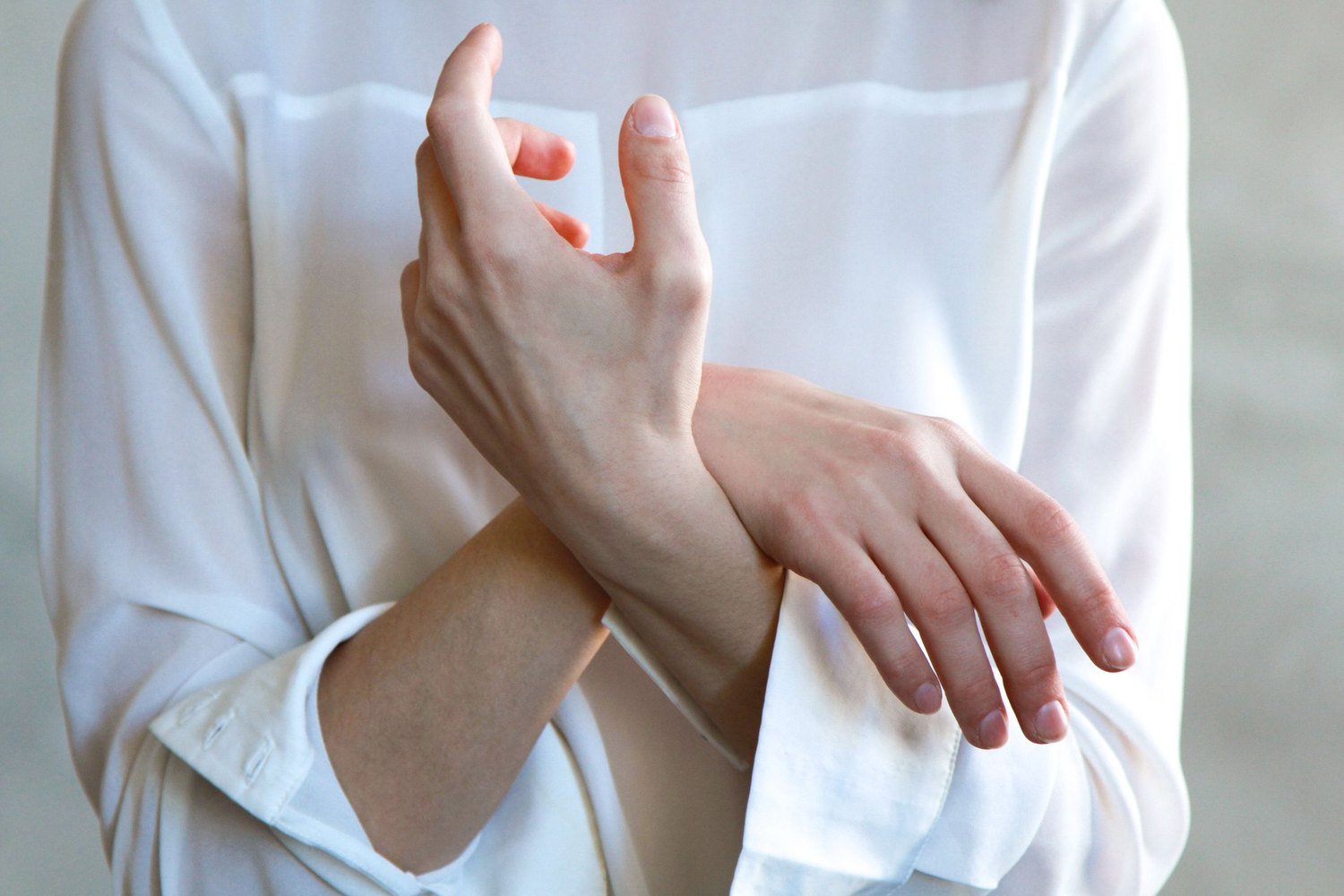

A scar is a mark on the skin after a wound or injury has healed, according to the NHS. It can remind you of something, or you may hardly think about it, or you may feel self-conscious. These six practices are for being on kind terms with a scar. They are optional, they make no claim about what a scar means, and they apply to healed scars. A fresh or healing wound is a matter for a clinician.
1. Read the care advice first
The NHS scars page (https://www.nhs.uk/conditions/scars/) says you cannot get rid of a scar, but most will fade over time, and this can take up to 2 years or more. Follow your surgical or wound-care team’s instructions first. Do not massage or apply products to an open or healing wound, or to a scar that is warm, swollen, painful or discharging; seek clinical advice instead. For most scars the NHS suggests massaging with a water-based cream a few times a day, for up to 10 minutes each time, and only if the wound is fully healed. It also suggests keeping a scar covered in the sun for at least 1 year and using sunscreen with an SPF of 30 or more. It says to see a GP, meaning your doctor, if a scar is painful or bothering you. It says to ask for an urgent doctor’s appointment or get urgent medical advice if a scar is swollen or painful, feels warm to the touch, or has pus coming out of it. If you have a wound that has not healed, ask a clinician about it first.
2. Look at the room, then at the scar
Let your eyes move round the room first. Orienting brings your attention to the space around you. When you are ready, you can look at your scar for a few seconds, then look away. You do not have to look at it, and you do not have to look for long.
3. Feel your feet
Press your feet into the floor and notice where you are held. Grounding gives you a steady place while you look or touch. If looking or touching feels like too much, stop and look at the room again.
4. Touch it only if it feels okay
If the scar is fully healed, is not warm, swollen, painful or discharging, and touch feels okay, you might rest a hand near it or on it. Self-contact is optional. If it is painful or upsetting, skip it. Do not press or rub in a way that hurts.
5. Use plain, kind words
You might describe it as you would to a friend: “That is the mark from the fall. It is on my knee.” You do not need to like it or to say anything grand. If other people ask, you can answer briefly, or say, “I would rather not talk about it.”
6. Choose what you wear and show
You can cover a scar or show it, depending on the day, the setting and how you feel. Both are fine. The NHS page notes that skin camouflage creams and powders exist, and that a doctor can refer you for an appointment to get them. You can choose to use one or not.
Breath
You do not need to do anything with your breath. If you like, let one exhale out slowly, uncounted. Skip it if you are anxious, and stop if you feel dizzy. Ordinary breathing is the alternative.
What a scar does not tell you
A scar is a mark on the skin. It is not a record of what you feel or of who you are. You might have memories connected to how you got it, and those are yours to approach or leave. If memories are painful or intrusive, a therapist can support you, and you do not have to go through them on your own.
Scars from self-harm
If your scar is from self-harm, you may have complicated feelings about it, and it may bring up shame. You do not have to explain it to anyone. Support is available without judgment, and a doctor or therapist can talk with you about how you are now. If you are thinking about harming yourself, contact a crisis line or your local emergency number now.
When a scar is affecting you
The NHS page says that a doctor can refer you for talking therapy if a scar is affecting your mental health, and that if a scar is more severe or bothering you, a doctor may be able to recommend treatments or refer you to a specialist. You can ask at any point.
Questions from other people
People may ask about your scar or stare. You can say, “It is an old injury,” or “I am not discussing it.” You can change the subject. You do not owe anyone a story.
Related: a daily somatic routine.
