

Stillness is uncomfortable for some people. The legs jiggle, the hands wander, an urge to get up arrives within minutes. Many practices quietly assume that sitting still works for everyone, and then the people it does not suit decide the problem is them.
It might not be. There are other ways in. Here are six tools for the restless body, written for people who have tried the cushion and left early.
1. Let movement be the practice
Walking, stretching, rocking, slow movement: all valid. Movement can be an alternative way to practise attention, without claiming it is the same as sitting. Stillness is a style, not a requirement.
If you want somewhere to start, try a slow walk in a safe setting, keeping attention on traffic, terrain, people and other hazards while briefly noticing your feet. Notice the heel arriving, the weight rolling forward, the toes leaving. When your mind drifts, come back to the next step.
2. Move first, then settle
If settling is hard, try moving first: gentle Shaking, a brisk walk, dancing to one song. Then see whether sitting comes easier.
You may also prefer to keep moving rather than sit at all, and that is allowed. Some days the movement is the whole practice. Keep it within what your body can comfortably do, and skip anything that hurts.
3. Give the hands a job
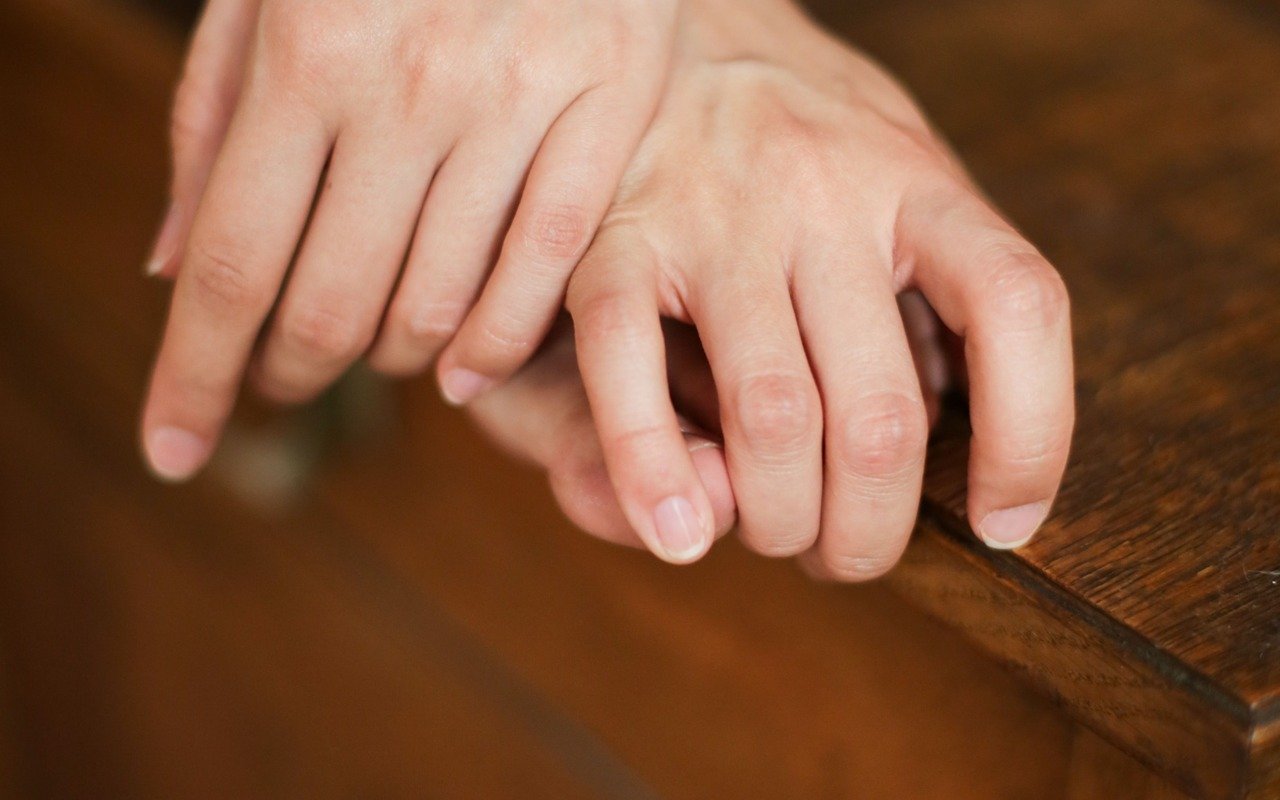
A smooth stone, a bit of fabric, pressing the fingers together. Gentle tactile input can give a busy body something to attend to. A small fidget can work as an anchor rather than a distraction.
Try different textures and see what your hands like. Some people prefer something cool and heavy. Others like soft or ridged. Nothing here has to look like meditation to anyone else.
4. Sit in shorter rounds
Two minutes, then move, then two more. Short, repeated rounds may suit you better than one long sit.
You can set a quiet timer, and when it rings, get up and stretch or walk across the room before starting again. Over days, some people lengthen the rounds a little. Others keep them short for good. Both are fine.
5. Track the restlessness itself
Instead of fighting the urge, feel it: where does it start, in the legs, chest or jaw? Watch it for a minute and see what happens.
You are not trying to make it stop. You are looking at what it actually is, moment by moment: a buzz, a pull, a pressure, a tightness. It may shift, grow or fade, and any of that is useful to see. If it feels like too much, stand up and move. That is a valid answer, not a failure.
6. Choose a posture that supports you
A chair with back support, a wall behind you, standing, lying down. Comfort is allowed; a tough posture is not extra virtue.
A posture that hurts tends to make restlessness louder. If you are on a chair, put both feet flat and let your hands rest somewhere easy. If you stand, soften your knees. If you lie down and tend to fall asleep, that is information too, and you might try a different time of day.
What a day might look like
Here is one way to mix these. In the morning, shake or walk for five minutes. Then sit for two minutes with something small in your hands. Move. Sit two more. Finish by standing and noticing your feet. It takes about ten minutes and none of it needs to be still for long.
When you have to sit anyway
Meetings, trains, waiting rooms and long films are not optional for most of us. A few small things can help. Press your feet into the floor and let your toes spread, which gives the legs a job without assuming others will not notice. Rest your hands in your lap and press the fingertips together lightly. Shift your weight slowly from one sit bone to the other. Look across the room instead of down, and let your eyes move. If you really need to stand, say so, or stand at the back. Bodies that need to move are not being rude, and other people may notice.
A note on judging yourself
You may have been told, directly or not, that being unable to sit still means you lack discipline. That is not a useful way to look at it. Bodies differ, and so do days. The practice is paying attention, in whatever way you can.
If restlessness is constant
Persistent restlessness that interferes with work, sleep or daily life can have many causes: anxiety, ADHD, sleep problems, caffeine, thyroid issues, medication side effects. If this is your pattern, mention it to your doctor rather than assuming a lack of discipline. A proper assessment can point to the right support.
Related: practices for restless evenings.
