

At altitude, each breath delivers less oxygen, and you may tire faster than you expect. These five practices are about pacing yourself and noticing how you are doing. Medical advice about altitude always comes before anything here.
1. Arrive slower than you want to
The first day at altitude is for arrival, not achievement. Walk less, climb gently and let your body start to adjust. The CDC advises only mild exercise for the first 48 hours at altitude. Take it slowly on the first day.
2. Let breathing respond naturally
Your breathing may change at altitude. Do not deliberately slow it, hold your breath or force long exhales to manage altitude symptoms. Rest when you need to. Breathing exercises do not prevent or treat altitude illness.
3. Walk by breath, not by map
Let your breathing set the pace of your walk. If you cannot speak in full sentences, slow down or stop. Pause and let your breathing settle before you continue. If breathlessness does not settle with rest, or you are short of breath at rest, treat it as a red flag below.
4. Take in the view
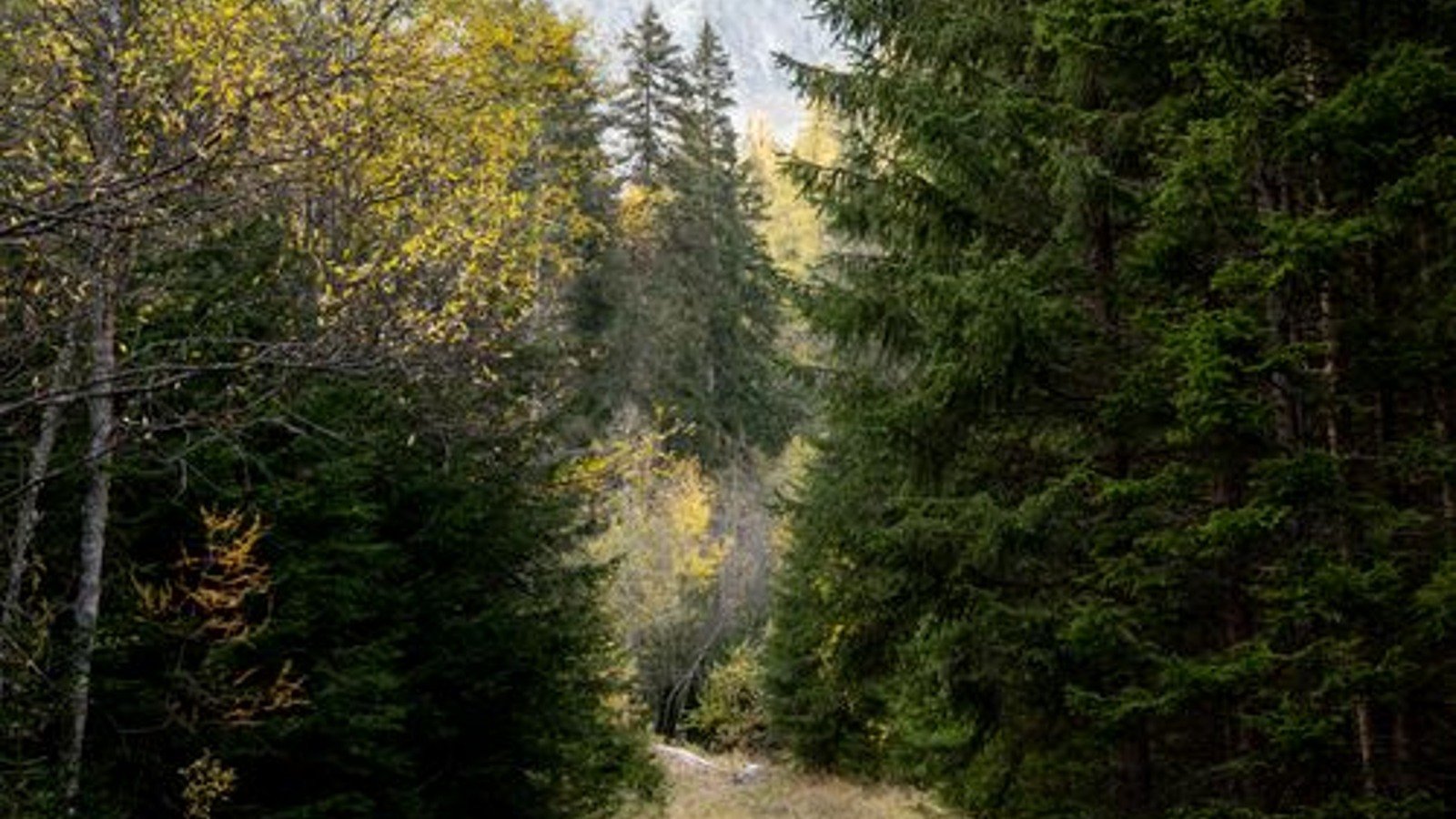
Pause to notice long sightlines and the scale of the landscape. Stop for a couple of minutes with a soft gaze and look at the view before you take photos, which is orienting at landscape scale. Stop somewhere safe, away from edges.
5. Check in honestly
Check in with yourself: headache? nausea? dizziness? unusual fatigue? Tracking your own signals can help you describe changes to a guide or clinician. If you are travelling with others, agree on a plain way to say “I am not feeling right,” and take it seriously when someone else says it.
Respect the red flags
Headache with nausea, dizziness or unusual fatigue after ascent can signal altitude illness. Stop ascending and seek medical advice. Never ascend to sleep at a higher altitude while symptoms are present. If symptoms worsen despite rest at the same altitude, descend and get medical help. Confusion, difficulty walking straight or breathlessness at rest require urgent descent with assistance and emergency medical care. Do not delay care to try a somatic practice.
The CDC also advises ascending gradually, avoiding alcohol for the first 48 hours at high altitude, and taking only mild exercise in that period. If you are a regular caffeine user, the CDC says to continue, to avoid a withdrawal headache that could be mistaken for an altitude headache. Individual medical advice matters, especially with heart or lung conditions. If you have coronary artery disease, chronic lung disease, sleep apnoea or sickle cell trait, talk to a physician familiar with altitude before you travel. If you have diabetes, monitor your blood glucose carefully, because not all glucometers read accurately at altitude, and ask your clinician about your plan.
Before you go
Some planning helps more than any practice on this list:
- Choose an itinerary with gradual gains in sleeping altitude, and add rest days.
- Ask a travel clinic or doctor about altitude illness and what to carry.
- Tell your companions or guide about your health conditions and medicines.
- Know the route down and who can help you descend.
- Pack for cold, sun and weather, and keep phone numbers for local help.
On the day
Plan a short day on arrival and keep the afternoon free. Keep your pace conversational. Eat regular meals and bring snacks. Notice whether you are holding your shoulders and jaw as you climb, and let them drop when you pause. If you are in a group, stay with the person who is slowest and do not race ahead. At rest stops, sit somewhere safe, away from edges, and take your pack off if you can.
At night
Sleep can be disturbed at altitude. If you wake and feel uneasy, check how you feel, with the same questions as above. A hand on your chest and a few easy breaths can be comforting, but they are not a way to decide whether symptoms are serious. If you notice headache with nausea or dizziness, follow the red-flag advice above and tell someone.
If you travel with children
Young children who cannot yet talk may show altitude illness as loss of appetite, irritability or pallor. Watch for those, ask older children how they feel, and keep the pace to what the slowest person can manage. If you are unsure, ask a clinician before travel and talk to your guide about what to do if someone needs to go down.
Source
The 48-hour, red-flag and medical-condition points above come from the CDC Yellow Book page on high-altitude travel and altitude illness. The pacing, planning and packing tips are general. This is travel-health information and not individual medical advice.
Source: CDC Yellow Book: High-Altitude Travel and Altitude Illness.
Related: somatic practices for the beach.
