
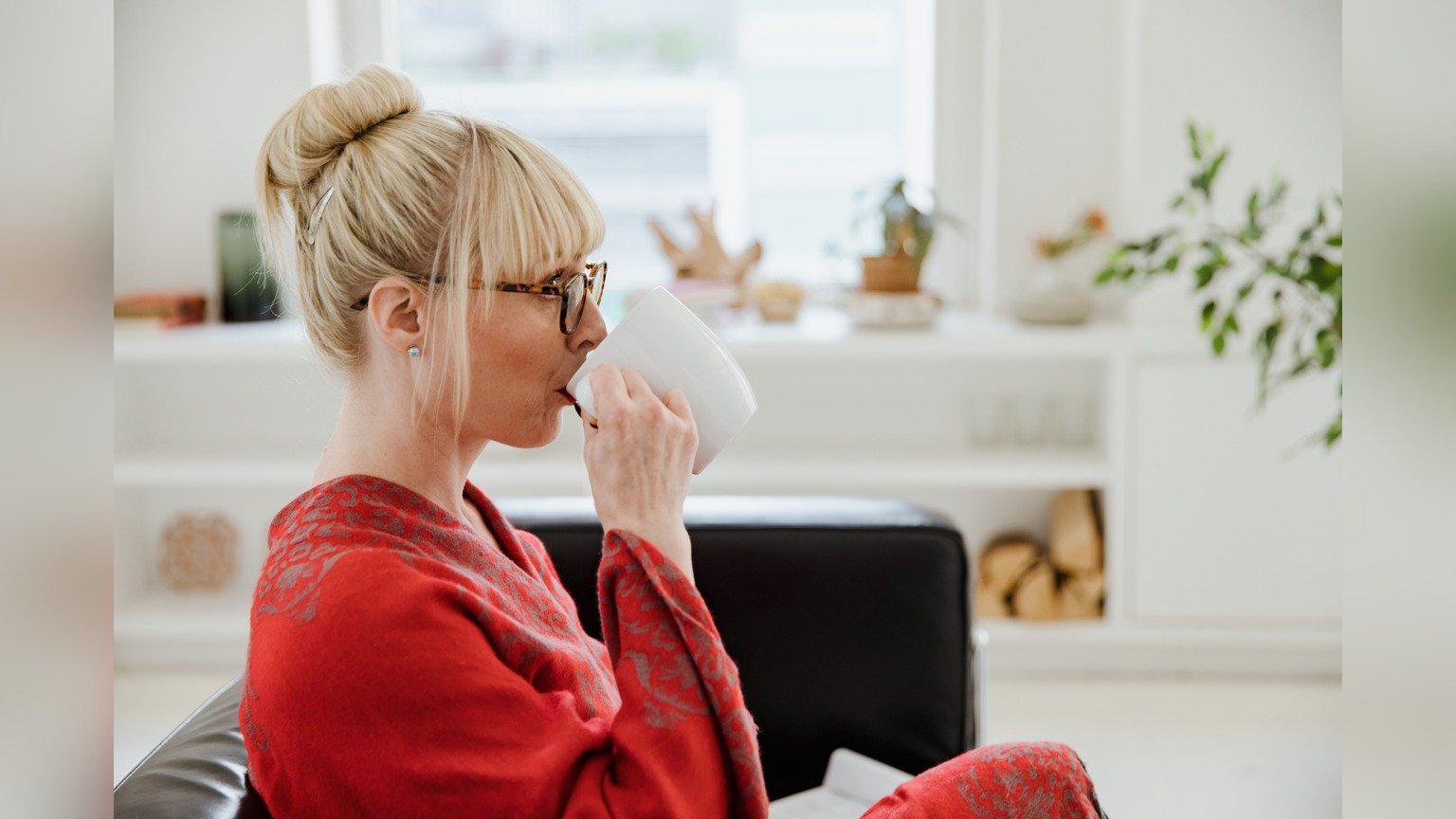

On stressful days the chest can feel tight, the breath can feel shallow, and there can be a band of pressure where you expect the breath to be. Chest tightness can have many causes, and chest symptoms are not always stress. If you have new, severe or unexplained chest pain, read the last section first and do not use these practices. For tightness you already know to be stress-linked, these six practices are gentle ways to settle and to move.
1. Name the sensation
Fear of the tightness can add to it. Naming it plainly, “stress, sitting in my chest,” and noticing its edges can help you stay with the sensation. Only do this if you already know your chest tightness is stress-linked. If it is new, severe or unexplained, skip the practices and read the last section. Tracking is the tool here. If it makes the tightness louder, look at something outside you instead.
2. Breathe toward the sides and back, if it suits you
Place your hands on the sides of your ribs and let your breathing be slow and easy. You might notice the ribs widen a little sideways as you breathe in, and soften as you breathe out. You can do this for a few breaths, whatever feels natural, with no target depth. Diaphragmatic breathing is a related gentle practice. Stop if you feel dizzy or light-headed, and skip it if attention on your breath increases anxiety. Ordinary breathing is a fine alternative.
3. Let the out-breath be unhurried
Let a gentle in-breath come, then a long slow out-breath, like fogging a window. There is no count and no need to force anything. If it feels strained, go back to your usual breathing.
4. Open the front gently
If you have been hunched over a desk or phone, you might open your arms to the sides, lift the breastbone a little, or clasp your hands behind your back and let the shoulders roll open. A doorway stretch can feel good too, held for as long as it is comfortable. Stop if it hurts or pinches. If you have shoulder, neck or heart conditions or have had surgery, follow your clinician’s advice about movement.
5. Put it into one sentence
If you know what is weighing on you, such as a worry or something unsaid at work, you might put a hand on your chest and say it in one sentence. Write it down if words come. You do not need to find a cause, and some days it will not be clear.
6. Move the ribcage gently in the evening
Side bends, gentle twists and arms overhead for a couple of minutes in the evening, moving slowly and breathing in your usual way. Keep it comfortable. It is a way to give the upper body some movement after a day of sitting.
When you notice tightness at your desk
A short reset can fit into a working day. Stand up, let your arms hang, and take a few ordinary breaths. Look out of a window and name three things you can see. Roll your shoulders back a few times, and unclench your jaw. If you have a call coming up, take a minute beforehand to feel your feet on the floor. These steps do not remove stress. They give your body a pause, which is sometimes enough to notice that the tightness is shifting, or that it has not shifted and you need a longer break.
Other things that can ease a stressful day
Chest tightness on stressful days can sit alongside other demands. A few ordinary steps may help:
- take short breaks away from screens
- drink water and eat regular meals
- limit caffeine if you notice it makes you jittery
- tell someone you trust how the day is going
- go outside for a few minutes
None of these is a treatment, and if the tightness keeps coming back, talk to a doctor.
Chest pain: know the difference
Sudden chest pain or discomfort that does not go away, chest pain that spreads to your arm, neck, jaw, stomach or back, or chest pain with sweating, feeling sick, light-headed or short of breath could be a heart attack. Call your local emergency number straight away. Do not wait to see if a practice helps. Chest pain that comes and goes, or that goes away but still worries you, is worth getting medical advice for. These practices are for familiar, stress-linked tightness that you already know about.
Related: breathing exercises for anxiety.
